Fintech / Trading
ZuluTrade social trading ecosystem
Took sole ownership of a global social trading platform in 30 days. Rebuilt onboarding, the Trading Terminal, and the design system from scratch.
Scope
Thrown In
I joined Zulutrade as a Junior Designer. Within 30 days, I was the only designer on the product. The platform was mid-redesign — users were dropping off during onboarding, the Trading Terminal was built for power users but serving everyone, and engineering needed direction. I figured it out.
Zulutrade is a global social trading platform: copy-traders following signal providers, investors managing portfolios, all in one ecosystem. The UX hadn't caught up with the product's complexity.
What the Data Said
- 32% of users started account creation and didn't finish.
- 28% abandoned specifically during the external KYC integration step.
- Trade execution abandonment: 30%.
- Only 5% ever converted from Demo to paid — most never left the free tier.
- 70% of new users tried Copy Trading but barely touched advanced analytics.
Research backed this up: 5 out of 10 found onboarding hard. 7 out of 10 knew the product but didn't use it — they trusted Revolut and eToro more.

The Activation Funnel
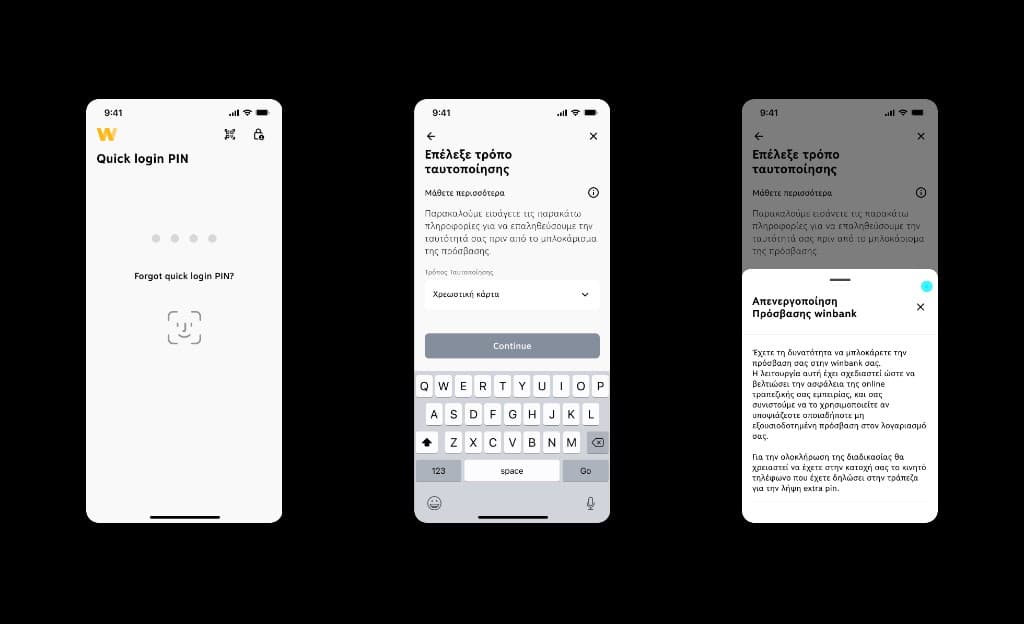
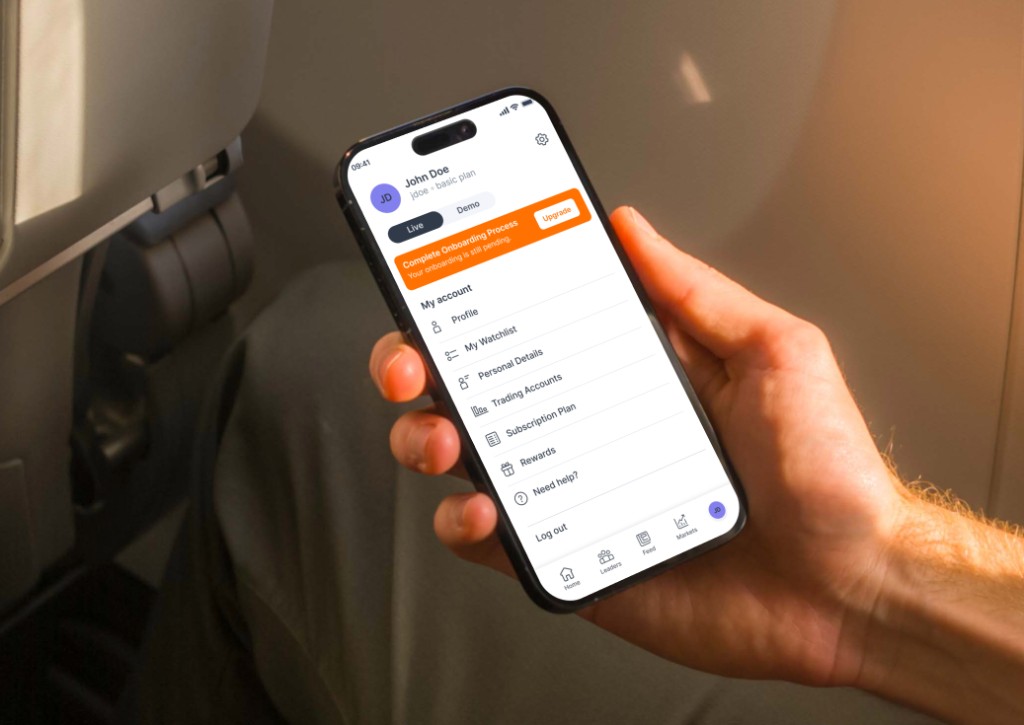
The biggest drop-off was the KYC step — a third-party integration that pulled users out of the Zulutrade environment completely. They lost trust the moment the context changed. I restructured the onboarding IA to prepare users for what was coming: clear expectations at each stage, reduced perceived effort before the handoff. The goal was to make the external step feel like part of the process, not an interruption.
The Trading Terminal
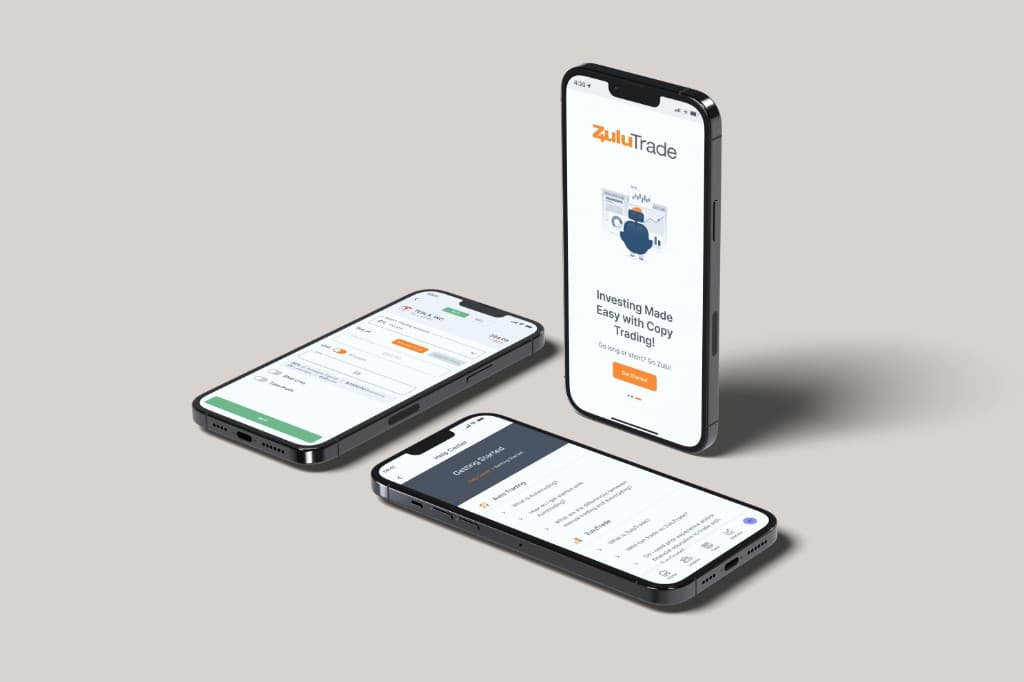
The terminal was legitimately dense — price charts, signal feeds, copy-trade portfolio, order management all on one screen. The problem wasn't the data. It was that everything had equal visual weight. I introduced clearer hierarchy: core actions up front, advanced tooling progressive. Copy Trading became the primary discovery mode for new users, which is what the data already showed they wanted.
The Design System
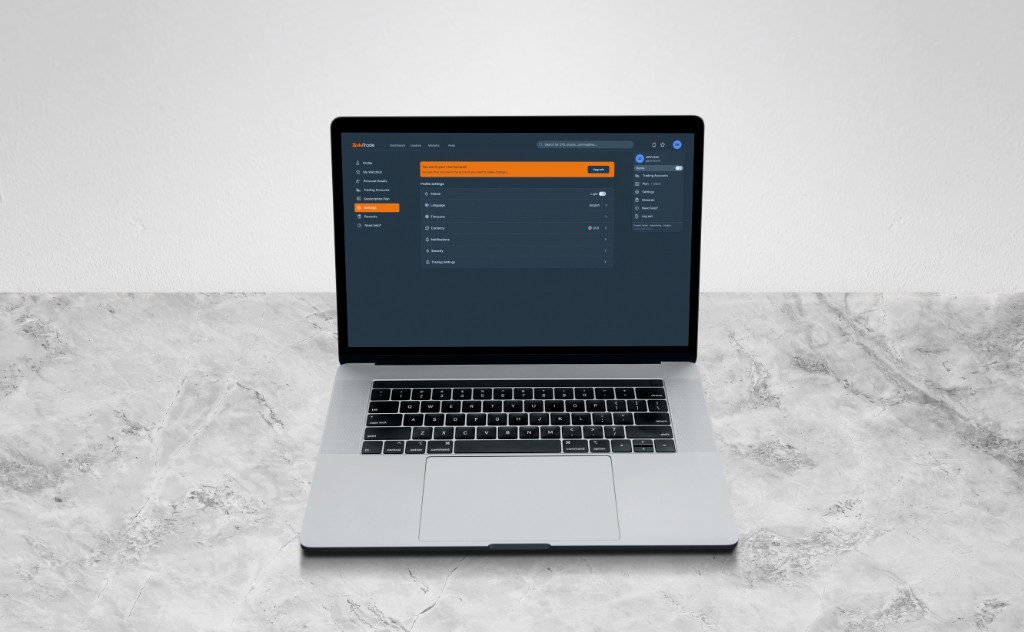
I built the ZuluTrade design system from the ground up: design tokens, component rules, and documentation across Web and React Native. Price charts, social feeds, portfolios, and the Trading Terminal all shared the same structural language — one system, one set of rules, every surface. That coherence made white-label partnerships possible and extended seamlessly to the Capital Wallet crypto integration.
Results
- −32% drop-off during external KYC integration
- +29% new user activation through funnel restructuring
- −50% design-to-development handoff time with the system in place
- White-label partnerships unlocked through component modularity
Gallery
Outcomes